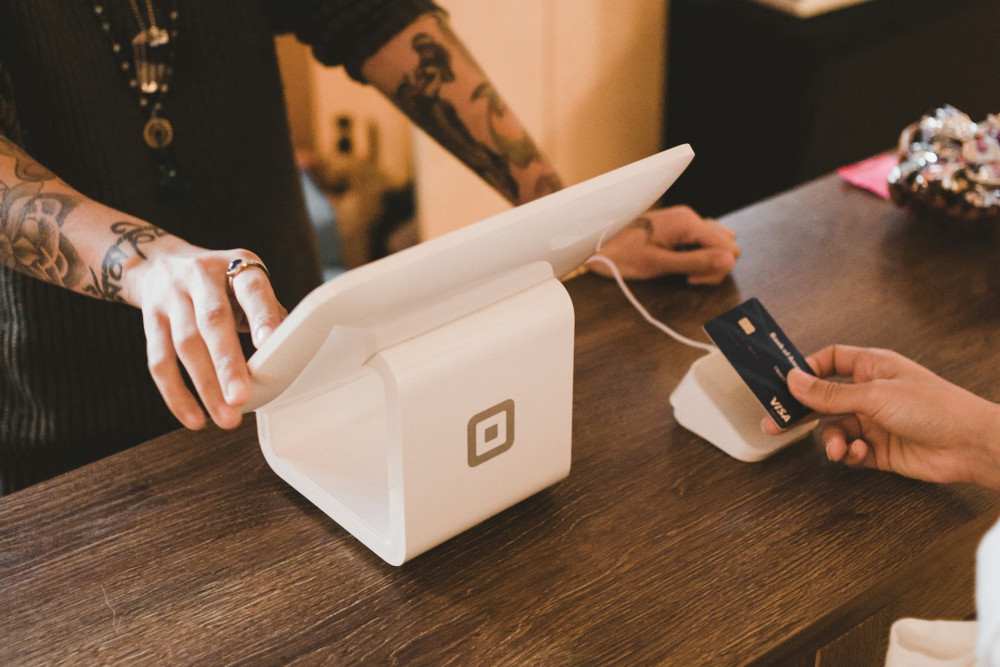
Digital tools give you an overview—without losing control

Digital tools give you an overview—without losing control
Digital tools have become part of everyday life—from budgeting apps and shared calendars to smart home systems and fitness trackers. They promise to make life easier, but many people also feel that technology can take over if they’re not careful. How do you find the balance between using digital tools as helpful assistants without feeling controlled by them? Here’s how you can use technology to create clarity and calm instead of stress and overload.
Clarity instead of chaos
It’s ironic that the very tools designed to help us stay organized often end up adding more noise. Notifications, updates, and constant reminders can quickly become overwhelming. That’s why it’s not just about which tools you use, but how you use them.
Start by asking yourself what you actually need help with. Is it managing your finances, organizing your schedule, or keeping track of household tasks? Once you know your priorities, you can choose the tools that truly support you—and skip the rest.
A simple rule of thumb: one purpose, one tool. Don’t use five different apps to manage your time if one can do the job. The fewer systems you have to juggle, the easier it becomes to stay in control.
From financial stress to financial confidence
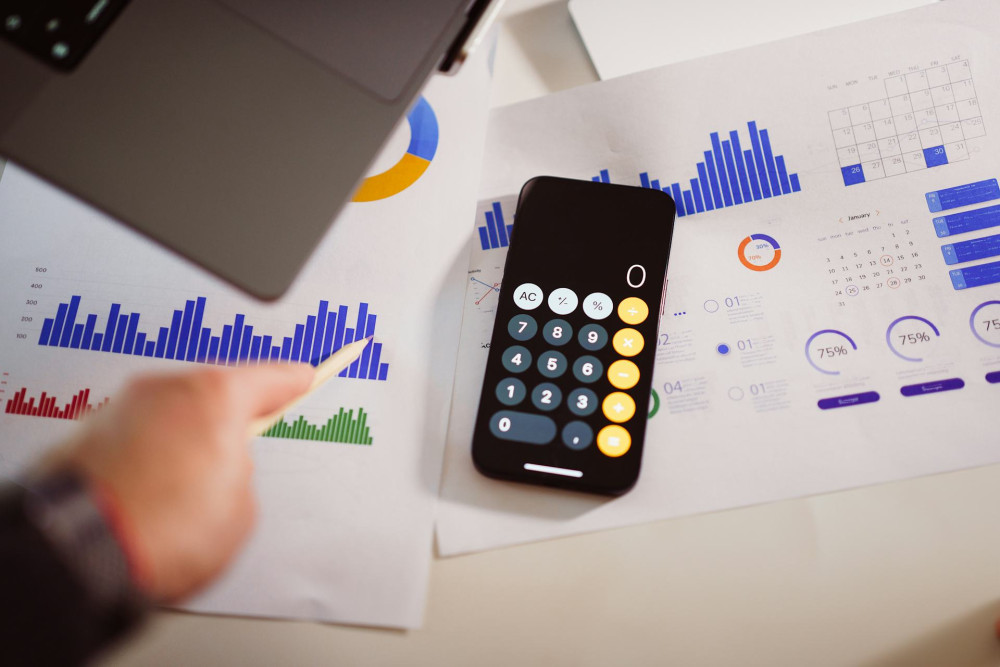
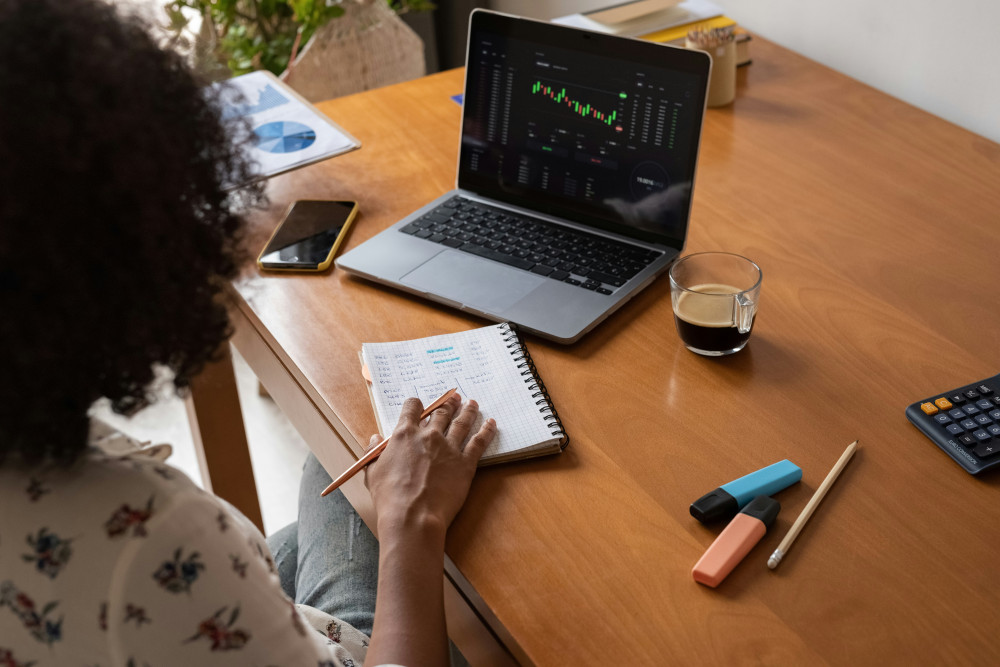
One area where digital tools can make a real difference is personal finance. Today’s budgeting apps and online banking platforms make it easy to track spending, categorize expenses, and set savings goals.
- Automate what you can. Set up automatic transfers for bills and savings so you don’t have to think about them every month.
- Use visual dashboards. Many apps display your spending in charts and color codes, making it easier to see where your money goes.
- Schedule regular check-ins. Instead of checking your accounts every day, set aside time once a week to review your finances. It brings structure and peace of mind.
When you use digital tools intentionally, they become a way to take control—not lose it.
Planning that gives you freedom
Calendar and planning apps can be powerful allies in creating structure, but they can also become traps if every minute of your day is scheduled. The goal should be freedom through planning, not filling your life with more to-dos.
Try using your calendar as a tool for balance:
- Block out downtime and personal time just like meetings and appointments.
- Use color coding to separate work, family, and leisure.
- Share calendars with family members or roommates to avoid confusion and double-booking.
When you plan with intention, your calendar becomes a way to protect your time—not control it.
Læs også:

Data and privacy—know your boundaries
Many digital services collect data to offer personalized features. That can be convenient, but it also means you need to stay aware of what you’re sharing. Read the privacy settings carefully and adjust them to your comfort level.
Choose tools that give you control over your own data. Avoid apps that request unnecessary access to your contacts, photos, or location. By setting clear boundaries, you can enjoy the benefits of technology without compromising your privacy.
Build digital habits that work for you
Technology should adapt to you—not the other way around. Creating simple routines for how and when you use your devices can make a big difference.
- Check messages and emails at set times instead of constantly.
- Turn off nonessential notifications.
- Use “Do Not Disturb” modes when you need focus or rest.
Small adjustments can have a big impact on your concentration and well-being. The goal is to make technology support your habits, not replace them.
Technology as support, not control
Digital tools can help you stay organized, save time, and gain perspective. But they work best when you use them consciously and set clear limits. It’s not about being online all the time—it’s about using technology to free up time and energy for what truly matters.
When you take charge of your digital habits, you get the best of both worlds: an overview—without losing control.
Læs også: