Game Theory in Practice: Balancing Strategy, Competition, and Fair Play


Game Theory in Practice: Balancing Strategy, Competition, and Fair Play
Game theory might sound like something reserved for economists or mathematicians, but in reality, it’s a tool we all use—often without realizing it. Every time we make a decision that depends on what someone else might do, we’re playing a game. From business negotiations and political campaigns to poker tables and online gaming, game theory helps us understand how strategy, competition, and fairness interact. But how do we find the right balance when the stakes are high?
What Is Game Theory—and Why Does It Matter?
At its core, game theory is the study of how people (or players) make decisions in situations where their choices affect one another. It’s about predicting behavior and finding the best possible move when others are also thinking strategically. The classic example is the “prisoner’s dilemma,” where two individuals must decide whether to cooperate or betray each other. The outcome depends on what the other person does—a dynamic that mirrors countless real-world situations.
In the U.S., game theory has shaped everything from Wall Street trading strategies to political campaign tactics. It’s not just about winning; it’s about understanding the incentives and motivations that drive others’ decisions.
Strategy in Action—from Poker Tables to Boardrooms
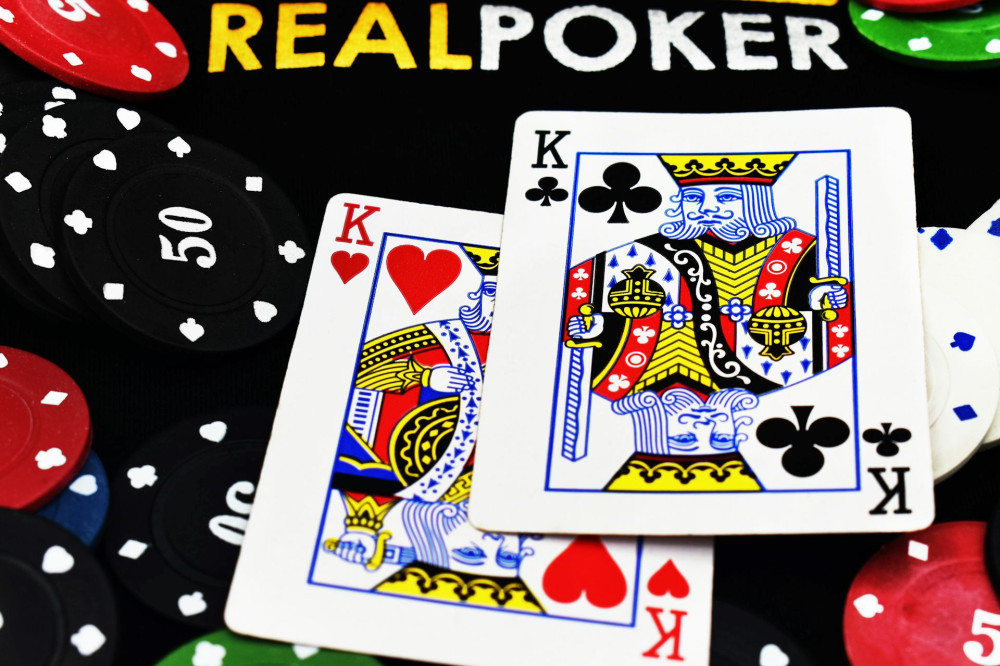
In poker, game theory isn’t just an abstract concept—it’s a practical skill. Professional players use it to calculate probabilities, read opponents, and find the optimal balance between risk and reward. It’s not only about luck; it’s about anticipating how others think and act.
The same logic applies in business. When two companies compete for market share, set prices, or negotiate contracts, they’re engaging in a strategic game. Executives ask: What will our competitors do if we lower prices? How will the market react if we launch a new product? Those who understand the dynamics of strategic interaction often gain a decisive edge.
Even in everyday life—whether you’re negotiating a salary, bidding on a house, or deciding when to make a move in a competitive job market—game theory offers insights into how to act strategically without losing sight of fairness.
Competition and Cooperation—Two Sides of the Same Coin
While game theory is often associated with competition, it also highlights the power of cooperation. In many cases, everyone benefits more from working together than from fighting against each other. This is true in business partnerships, environmental policy, and even multiplayer gaming.
Consider alliances in online games or temporary partnerships in tournaments. Players may cooperate for mutual benefit, but that cooperation only lasts as long as trust does. Once the incentive to betray becomes too strong, the alliance collapses. Game theory helps explain when cooperation makes sense—and when it doesn’t.
In the broader American context, this balance between competition and collaboration is central to innovation. Silicon Valley, for example, thrives on both fierce rivalry and strategic partnerships. Understanding when to compete and when to collaborate can make the difference between success and failure.
Fair Play—The Ethics of the Game
Strategy and competition can easily spiral out of control without clear rules and a shared sense of fairness. In sports, business, and gaming alike, fair play is what keeps the game meaningful. Without it, trust erodes and chaos takes over.
Fair play isn’t just about following the rules—it’s about respecting opponents and the spirit of the game. In the casino industry, for instance, fairness means transparent odds and responsible gaming practices. In business, it means negotiating in good faith and honoring agreements. When everyone plays by the same rules, the game becomes not only more enjoyable but also more just.
Læs også:



Game Theory as a Way of Thinking
Although game theory originated in mathematics and economics, its principles apply far beyond those fields. Every day, we face choices that require balancing our own interests with those of others. Should we cooperate or compete? Take a risk or play it safe? Give a little now to gain more later?
Thinking in game-theoretic terms doesn’t mean manipulating others or calculating every move—it means being aware of how our decisions influence and are influenced by others. It encourages empathy, foresight, and strategic awareness.
In the end, game theory reminds us that life itself is a series of interconnected games. The key to playing them well lies in finding the right balance between strategy, competition, and fair play—a balance that not only leads to better outcomes but also to a more ethical and cooperative world.
Læs også: