Good Neighbor Relations Start with Communication – How to Inform and Involve Neighbors in the Construction Process

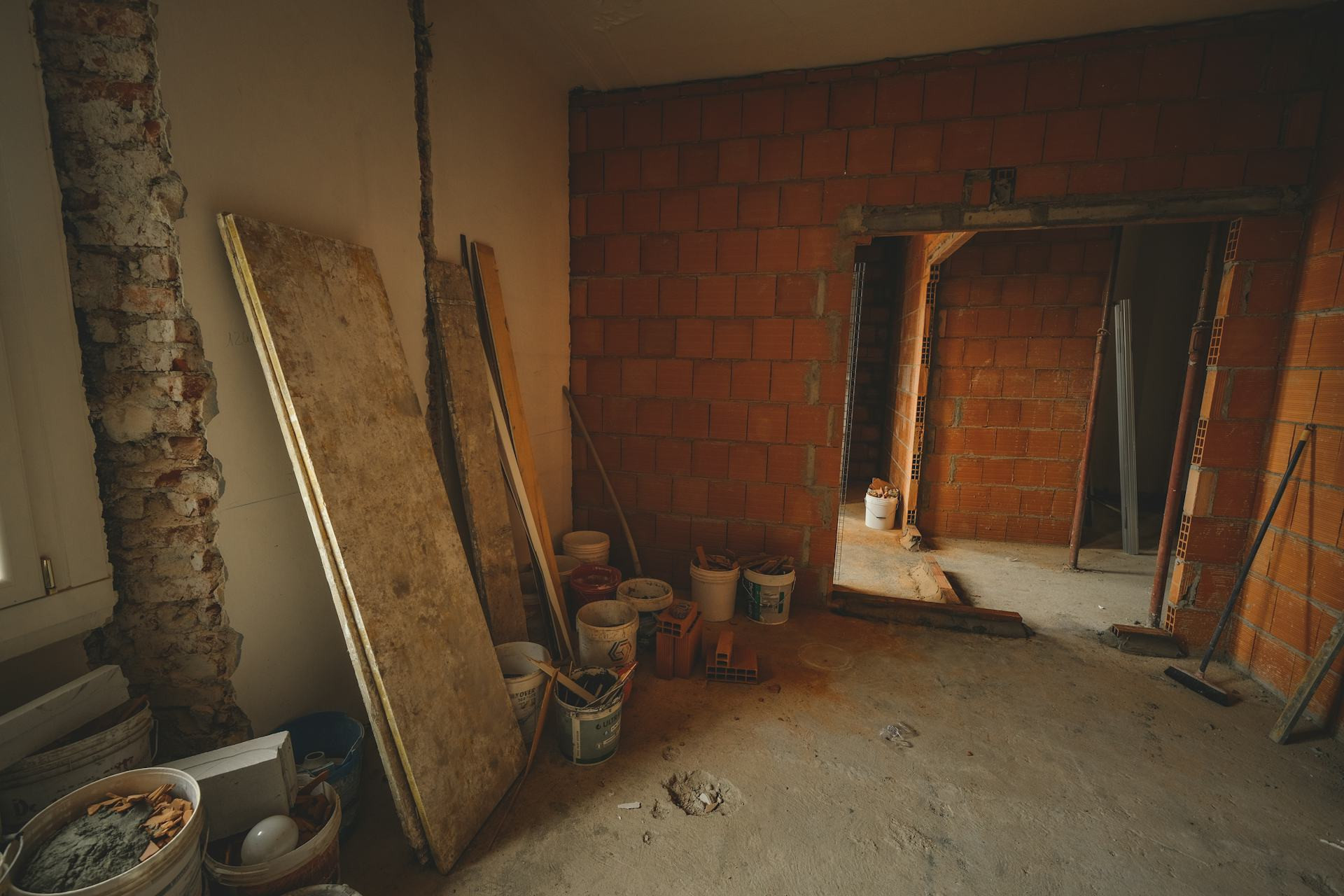
Good Neighbor Relations Start with Communication – How to Inform and Involve Neighbors in the Construction Process
Starting a construction project on your property can be exciting — but for your neighbors, it can also mean noise, dust, and disruptions to their daily routines. That’s why good communication is essential. When you inform and involve your neighbors early, you build understanding, trust, and stronger community ties — and you reduce the risk of conflicts along the way. Here’s how to keep your neighbors informed and engaged throughout the construction process.
Start the Conversation Early
The best time to reach out to your neighbors is before construction begins. Sharing your plans early shows respect and gives them a chance to ask questions or share concerns.
You don’t need to organize a formal meeting — a friendly chat over the fence or a quick conversation on the sidewalk can go a long way. Explain what you’re planning to build, how long the project is expected to take, and what kind of impact it might have on the neighborhood. The goal isn’t to provide every detail, but to make sure your neighbors feel informed and included.
For larger projects, consider sending a short letter or email summarizing the key information, including your contact details or those of your contractor.
Be Clear About the Schedule and Practical Details
Uncertainty is one of the biggest sources of frustration during construction. Providing a clear overview of the timeline and the most disruptive phases helps set expectations.
Let your neighbors know:
- When construction will start and when it’s expected to finish.
- When particularly noisy work (like demolition or concrete pouring) will take place.
- Where workers will park and how access routes will be used.
- What hours the crew will be working.
Even if schedules change — and they often do — keeping your neighbors updated shows consideration. A quick message about delays or changes can make a big difference in maintaining goodwill.
Involve Neighbors Where It Makes Sense
Your neighbors don’t need to have a say in the design of your project, but they can often offer useful insights. They might have experience with similar projects or point out practical issues you hadn’t considered — such as drainage, shared fences, or parking concerns.
Listening to their input and taking it seriously demonstrates that you value their perspective. This not only builds goodwill but can also prevent complaints later in the process.
Manage Disruptions Thoughtfully
Even the best-planned construction project will cause some inconvenience. Noise, dust, and heavy equipment are hard to avoid completely, but you can take steps to minimize the impact.
- Make sure your contractor follows local noise ordinances and keeps the site tidy.
- Avoid blocking driveways, mailboxes, or sidewalks.
- Use noise-reducing measures when possible.
- Give advance notice of major deliveries or temporary closures.
Small gestures of consideration show that you care about how your project affects the neighborhood.
Læs også:
Keep Communication Open Throughout
Despite careful planning, unexpected issues can arise. The key is to make sure your neighbors know how to reach you if something comes up. Provide a phone number or email address for yourself or your contractor so they can contact you directly.
Regular updates — even brief ones every couple of weeks — help reassure neighbors that the project is under control. Transparency builds trust and reduces misunderstandings.
Celebrate Completion — and Say Thank You
When the project is finished, take a moment to acknowledge your neighbors’ patience. A simple thank-you note, a small gathering, or even a quick chat to show them the finished result can help restore a sense of normalcy and goodwill after months of activity.
A sincere “thank you for your understanding” goes a long way toward maintaining positive relationships for the future.
Good Communication Pays Off
Keeping your neighbors informed and involved doesn’t take much time, but it can save you a lot of stress. Open, respectful communication makes the construction process smoother for everyone — and when the dust settles, you’ll have not only a completed project but also a stronger connection with the people who live around you.
Læs også: