Thoughtful Home Design: Choosing the Right Style for Your Family’s Needs

Thoughtful Home Design: Choosing the Right Style for Your Family’s Needs
Building or remodeling a home is one of the biggest investments a family can make. It’s not just about square footage or curb appeal—it’s about creating a space that supports your lifestyle, reflects your values, and adapts to your family’s changing needs. Thoughtful home design means looking beyond trends and focusing on what truly makes a house feel like home.
Here’s a guide to help you choose the right design for your family’s needs.
Start with Your Lifestyle, Not the Floor Plan
It’s easy to get swept up by glossy brochures or model homes, but the best designs start with how your family actually lives day to day.
Ask yourself:
- How many bedrooms and bathrooms do you really need?
- Do you work from home or need space for hobbies?
- How do you spend time together—and where do you need privacy?
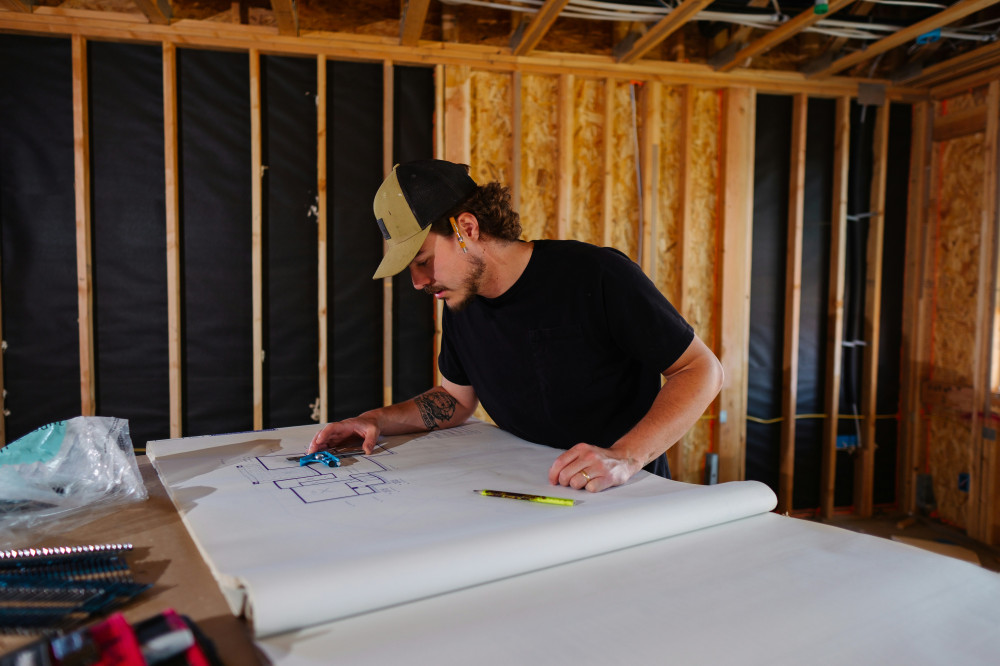
A home that functions well is one that’s designed around your routines, not just aesthetics. Many builders and architects now offer customizable plans, allowing you to adjust layouts without breaking the budget.
Create Zones for Connection and Privacy
A well-designed home balances shared spaces with private retreats.
- Family Zone: The kitchen, dining, and living areas are the heart of the home. These spaces should encourage togetherness while being flexible enough for entertaining or quiet evenings.
- Private Zone: Bedrooms and bathrooms should offer calm and separation from the busier parts of the house.
- Flexible Spaces: A bonus room or finished basement can evolve over time—from a playroom to a home office or guest suite. Designing with flexibility in mind helps your home grow with you.
Flexibility is an investment in the future. A home that can adapt to life’s changes will serve your family longer and maintain its value.
Light, Air, and Orientation Matter
Natural light and airflow have a huge impact on comfort and energy efficiency. When planning your home, consider how it sits on the lot.
- Face living areas south or west to capture sunlight and warmth.
- Place bedrooms to the north or east for cooler, more restful spaces.
- Maximize views and outdoor connections—a window overlooking a garden can make even a small room feel expansive.
A well-oriented home feels brighter, more comfortable, and can reduce your reliance on artificial lighting and heating.
Choose Materials with Care
The materials you choose affect not only the look of your home but also its maintenance and environmental footprint.
- Wood offers warmth and character but may require more upkeep.
- Brick or stone provides durability and timeless appeal.
- Mixed materials—like wood accents with fiber cement siding—can create a modern, personalized look.
Sustainable options are increasingly available in the U.S. market, from low-VOC paints to recycled insulation and energy-efficient windows. Ask your builder about sourcing and longevity—it’s good for both your wallet and the planet.
Læs også:
Energy Efficiency and Indoor Health
A thoughtful home design should be as efficient as it is beautiful. Energy-smart choices can lower utility bills and improve comfort.
Consider:
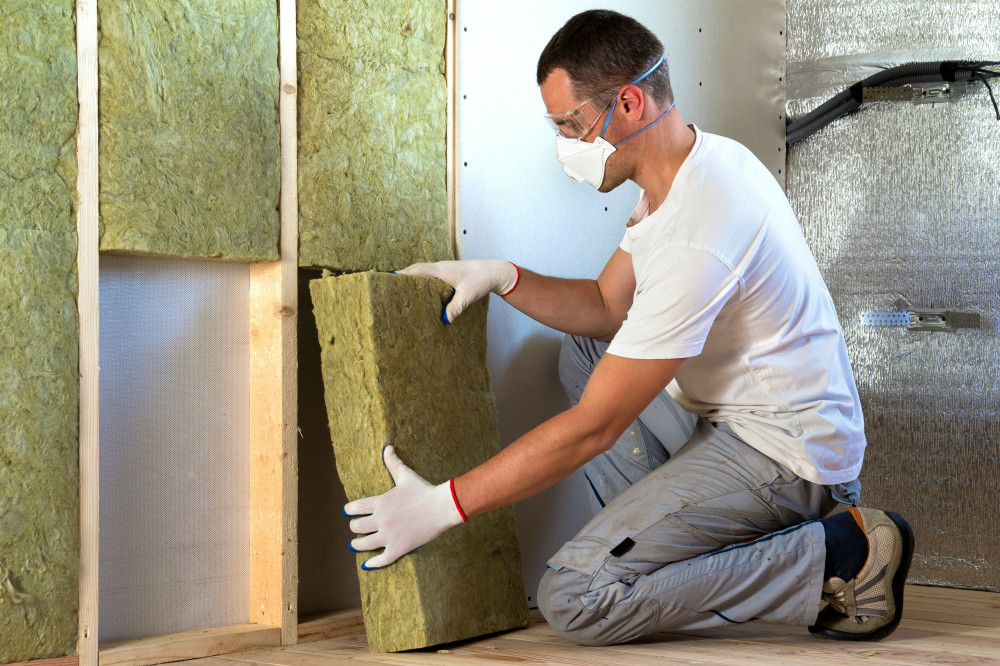
- High-quality insulation and air sealing to prevent heat loss.
- Energy-efficient HVAC systems or heat pumps for year-round comfort.
- Solar panels or other renewable energy options to reduce long-term costs.
Equally important is indoor air quality. Choose materials that emit fewer chemicals, ensure proper ventilation, and maximize natural light. A healthy home supports your family’s well-being every day.
Budget and Long-Term Value
While it’s tempting to focus on upfront costs, the true value of a home lies in its performance over time. Compare not just prices, but also materials, energy ratings, and maintenance requirements.
A slightly higher initial investment in quality construction or energy efficiency can pay off through lower operating costs and higher resale value. Think about how your needs might change—will your home still work when the kids are older or after retirement? A flexible, efficient design can save you from costly renovations later.
A Home That Fits Your Family
Thoughtful home design is about more than style—it’s about creating a space that feels right for your family’s life today and tomorrow. When function, beauty, and sustainability come together, you get more than a house. You get a home built for living, growing, and thriving for years to come.
Læs også: