Renovate or Build New? How to Decide What’s Most Cost-Effective for Your Home

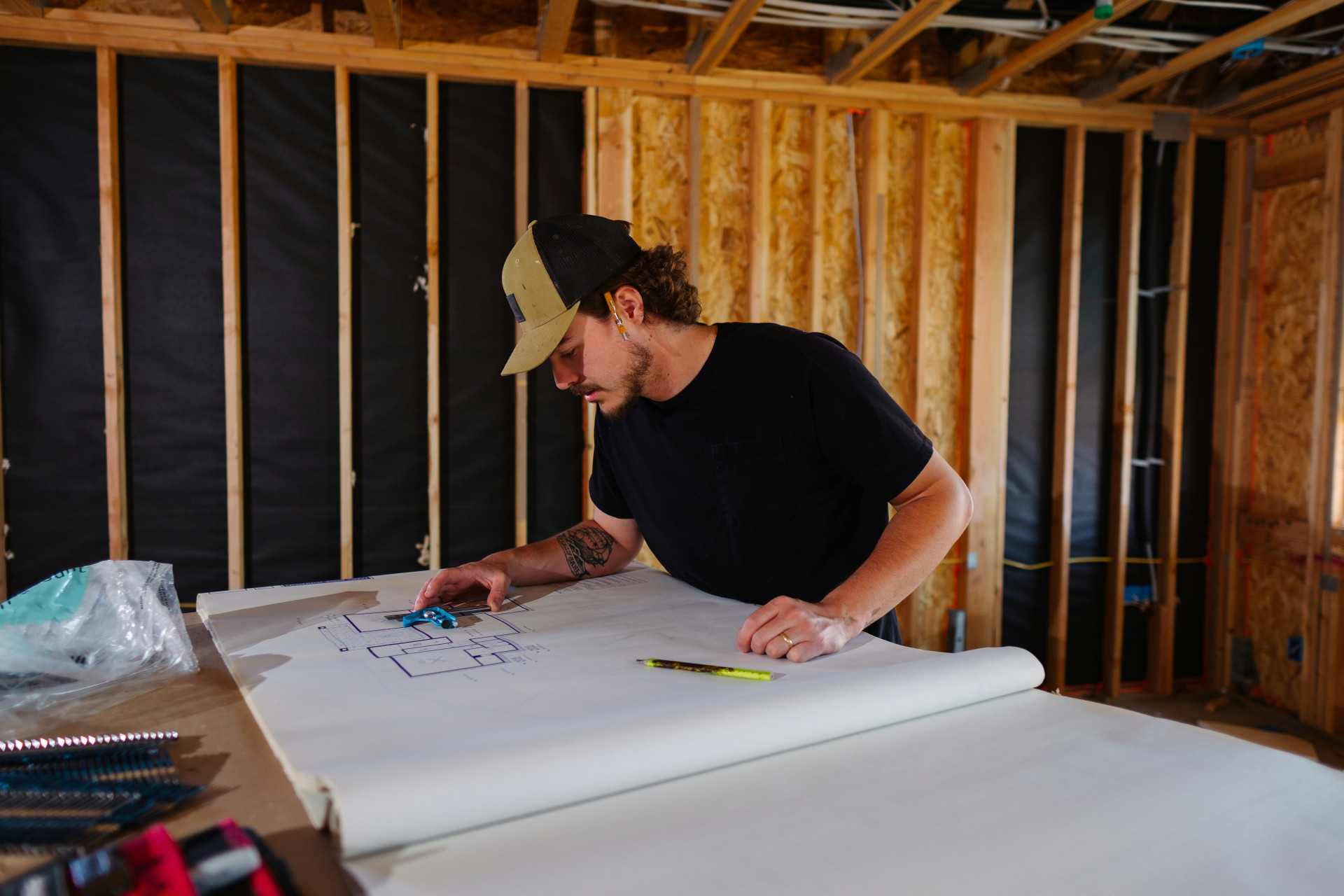
Weigh the pros and cons to find the smartest investment for your property
Build
Build
6 min
Unsure whether to renovate your existing home or start fresh with a new build? This guide walks you through the key factors—costs, energy efficiency, regulations, and long-term value—to help you make the most cost-effective decision for your home and lifestyle.
Lila Martinez
Lila
Martinez

Renovate or Build New? How to Decide What’s Most Cost-Effective for Your Home

Weigh the pros and cons to find the smartest investment for your property
Build
Build
6 min
Unsure whether to renovate your existing home or start fresh with a new build? This guide walks you through the key factors—costs, energy efficiency, regulations, and long-term value—to help you make the most cost-effective decision for your home and lifestyle.
Lila Martinez
Lila
Martinez

When your home starts showing its age, many homeowners face a big question: Should you renovate, or is it smarter to tear down and build new? Both options can lead to a beautiful result, but the right choice depends on cost, energy efficiency, local regulations, and your personal goals. Here’s a guide to help you decide what makes the most financial and practical sense for your situation.

Start by Assessing Your Home’s Condition

Before making any decisions, get a clear picture of your home’s current state. A professional home inspection can uncover hidden issues such as structural damage, water intrusion, outdated wiring, or inefficient insulation.

  • Is the foundation solid? Cracks, settling, or moisture problems can be expensive to fix.
  • What about the roof and exterior? Replacing a roof or siding can cost tens of thousands of dollars.
  • Are the electrical and plumbing systems up to code? Old systems can be unsafe and costly to maintain.

The more fundamental problems your home has, the more it may make sense to start fresh with new construction—especially if you’re already considering a major overhaul.

The Financial Picture: Compare Total Costs

Renovation often seems cheaper at first glance, but costs can escalate quickly once demolition begins and hidden issues appear. New construction, while more expensive upfront, can offer lower maintenance and energy costs over time.

As a general rule of thumb:

  • Renovation makes sense if you can focus on specific upgrades—like kitchens, bathrooms, or energy improvements—and keep total costs under about 50–60% of what a new home would cost.
  • New construction may be more cost-effective if nearly everything needs replacement or if your home’s layout no longer fits your needs.

Be sure to factor in demolition, building permits, temporary housing, and utility connection fees when comparing the two options.

Energy Efficiency and Environmental Impact

A newly built home must meet modern energy codes, which means better insulation, high-performance windows, and the opportunity to integrate solar panels, heat pumps, or smart ventilation systems. These features can significantly reduce your utility bills.

However, renovation can also be environmentally responsible—especially if you preserve much of the existing structure. Reusing materials and avoiding demolition reduces waste and carbon emissions. Before deciding to rebuild, consider how much you can improve your home’s efficiency through upgrades like added insulation, new windows, and modern HVAC systems.

Zoning, Permits, and Local Regulations

Before you start, check your local zoning laws and building codes. In many U.S. cities and suburbs, zoning rules dictate how large or tall a new home can be, and some neighborhoods have historic preservation restrictions that limit demolition.

Renovations typically require permits only if you’re altering structural elements or major systems. New construction, on the other hand, involves a full permitting process, which can take months and require detailed plans, energy compliance documentation, and inspections.

How It Affects Your Home’s Value

A brand-new home often commands a higher resale value and appeals to buyers looking for modern design and low maintenance. But a well-executed renovation can also boost your property’s worth—especially in desirable neighborhoods where new construction is limited.

The key is not to overinvest compared to local market values. A real estate agent or appraiser can help you estimate how much of your investment you’re likely to recoup when selling.

The Personal Factor

Beyond dollars and permits, this decision is also about lifestyle. Building new gives you complete design freedom and a home tailored to your needs. Renovating, on the other hand, can preserve the character and charm of an older home—something many homeowners value deeply.

Ask yourself:

  • How long do you plan to stay in the home?
  • How much time and energy are you willing to devote to a construction project?
  • Are you emotionally attached to your current home or neighborhood?

Your answers may weigh just as heavily as the financial calculations.

Making the Final Decision

  1. Get a professional assessment of your home’s condition and renovation potential.
  2. Request detailed estimates for both renovation and new construction from multiple contractors.
  3. Create a realistic budget that includes a contingency for unexpected costs.
  4. Think long-term about energy use, maintenance, and how your needs may change over time.

With all the facts in hand, you’ll be better equipped to choose the option that delivers the greatest value—financially, environmentally, and personally.

Renovate or Build New? How to Decide What’s Most Cost-Effective for Your Home
Weigh the pros and cons to find the smartest investment for your property
Build
Build
Home Improvement
Renovation
New Construction
Real Estate
Budget Planning
6 min
Unsure whether to renovate your existing home or start fresh with a new build? This guide walks you through the key factors—costs, energy efficiency, regulations, and long-term value—to help you make the most cost-effective decision for your home and lifestyle.
Lila Martinez
Lila
Martinez
Get Your Construction Project Finances on Track – From Planning to Completion
Keep your building budget under control from the first plan to the final inspection
Build
Build
Construction
Budgeting
Project Management
Home Improvement
Financial Planning
4 min
Learn how to plan, manage, and monitor your construction finances effectively. From setting a realistic budget to handling hidden costs and project changes, this guide helps you stay on track and complete your project with financial confidence.
Madelyn Ortiz
Madelyn
Ortiz
Thoughtful Home Design: Choosing the Right Style for Your Family’s Needs
Design a home that grows with your family and reflects what matters most
Build
Build
Home Design
Family Living
Interior Design
Sustainable Homes
Architecture
5 min
Discover how thoughtful home design can create a living space that supports your family’s lifestyle, values, and future needs. From layout and materials to light and energy efficiency, learn how to make choices that turn a house into a lasting home.
Cole Johnson
Cole
Johnson
Good Neighbor Relations Start with Communication – How to Inform and Involve Neighbors in the Construction Process
Build trust and avoid conflicts by keeping your neighbors informed from day one
Build
Build
Construction
Communication
Neighborhood
Community Relations
Home Improvement
4 min
Clear and early communication can turn potential construction conflicts into cooperation. Learn how to inform, involve, and maintain good relations with your neighbors throughout your building project — from the first notice to the final thank-you.
Aurora Roberts
Aurora
Roberts
Meaningful Green Outdoor Spaces: How to Boost Biodiversity and Well-Being Around Your Home
Transform your garden into a living space that nurtures both nature and your own well-being
Build
Build
Biodiversity
Sustainable Gardening
Outdoor Living
Well-Being
Eco-Friendly Design
2 min
Discover how to design outdoor areas that go beyond aesthetics. With simple, thoughtful choices, you can create green spaces that support biodiversity, attract wildlife, and enhance your everyday quality of life.
Reid Rivera
Reid
Rivera
Mindful Spending: Cut Costs Without Compromising Your Quality of Life
Spend smarter, live better—discover how mindful choices can boost both your savings and your satisfaction.
Money
Money
Personal Finance
Budgeting
Mindful Living
Financial Wellness
Lifestyle
6 min
Learn how to align your spending with your values and cut unnecessary costs without feeling deprived. This guide to mindful spending shows you how to make intentional financial decisions that enhance your quality of life.
Lila Martinez
Lila
Martinez
Energy Use and Environmental Considerations – How They Affect Your Finances as a Homeowner
Discover how smarter energy use and sustainable choices can boost your home’s value and cut monthly costs
Money
Money
Energy Efficiency
Homeownership
Sustainability
Green Living
Personal Finance
4 min
Energy efficiency isn’t just good for the environment—it’s good for your wallet too. Learn how your home’s energy use and eco-friendly upgrades can reduce expenses, increase comfort, and make your property more sustainable for the future.
Madelyn Ortiz
Madelyn
Ortiz
Debt-Free and Ready for a New Chapter: How to Rebuild Your Finances
Take control of your financial future and turn your debt-free status into lasting stability
Money
Money
Personal Finance
Debt-Free Living
Financial Planning
Budgeting
Savings
3 min
You’ve paid off your debts — now what? Discover how to rebuild your finances, strengthen your savings, and create a sustainable plan for long-term financial freedom. This guide helps you make the most of your fresh start and stay on track for a secure future.
Cole Johnson
Cole
Johnson